Coach Community
Supporting coaches to gain the knowledge, skills, and dispositions to make data-informed decisions!
On this page you can learn more about:
-
- PBC-DIDM Coach and Lead Coach Competencies
- Coach Community Meetings
- PBC-DIDM Coach Learning Experiences
What is a Coach Community?
A coach community provides an opportunity for coaches to access Practice-Based Coaching (PBC) and data-informed decision making support and guidance. The community is facilitated by a lead coach whose primary role is to support other coaches who work in the same or similar settings. Effective coach communities connect on a regular basis and can use any format that meets the needs of their members (e.g., live, video conference, hybrid).




Why is a Coach Community important for PBC-DIDM?
When coaches’ efforts are supported, they are better able to implement PBC Cycles as intended, with positive effects on practitioners, children, and their families.
Coaches need initial and ongoing support to gain knowledge, skills, and dispositions related to PBC, effective practices, and data-informed decision-making. Coach community support is guided by the PBC-DIDM Implementation Profile priorities and goals identified by the coach community and leadership team. Two common forms of support are coach learning experiences and coach community meetings.
Initial or foundational coach learning experiences often focus on building coaches’ capacity to implement PBC, collect Sources of Effort and Effect Data, and situate their work within the PBC-DIDM Effort and Effect Cascade.
Once the foundation is in place, PLTA coach learning experiences enable coaches to engage in the Prepare, Look, Think, Act (PLTA) Process, building their data literacy knowledge and skills as they make data-informed decisions.
In addition to data-skills development provided through coach learning experiences, coaches receive regular “just-in-time” data-informed support and participate in resource sharing and problem-solving during ongoing coach community meetings.
How can we use this information in our program?
When a program is getting started with PBC-DIDM, the leadership team might need to:
-
-
- hire or identify lead coaches or coaches,
- support coaches to gain new skills related to effective practices, PBC, and PBC-DIDM, and
- develop new procedures for how coaches engage and communicate with others.
-
Below are modules to support programs in establishing an effective coach community. This community uses the PLTA Process to make data-informed decisions about PBC and related learning experiences.

Coach and Lead Coach Competencies

Coach Community Meetings
Foundational Coach Learning Experiences
Foundational coaching learning experiences help coaches develop tools and processes to implement and document their PBC efforts and practitioners’ use of effective practices that are the focus of PBC. These experiences are limited in number and focus on teaching specific data collection skills.
These experiences are for programs working toward goals aligned with the foundational tier of the PBC-DIDM Implementation Profile. Use this module to learn more about considerations for implementing foundational coach learning experiences.
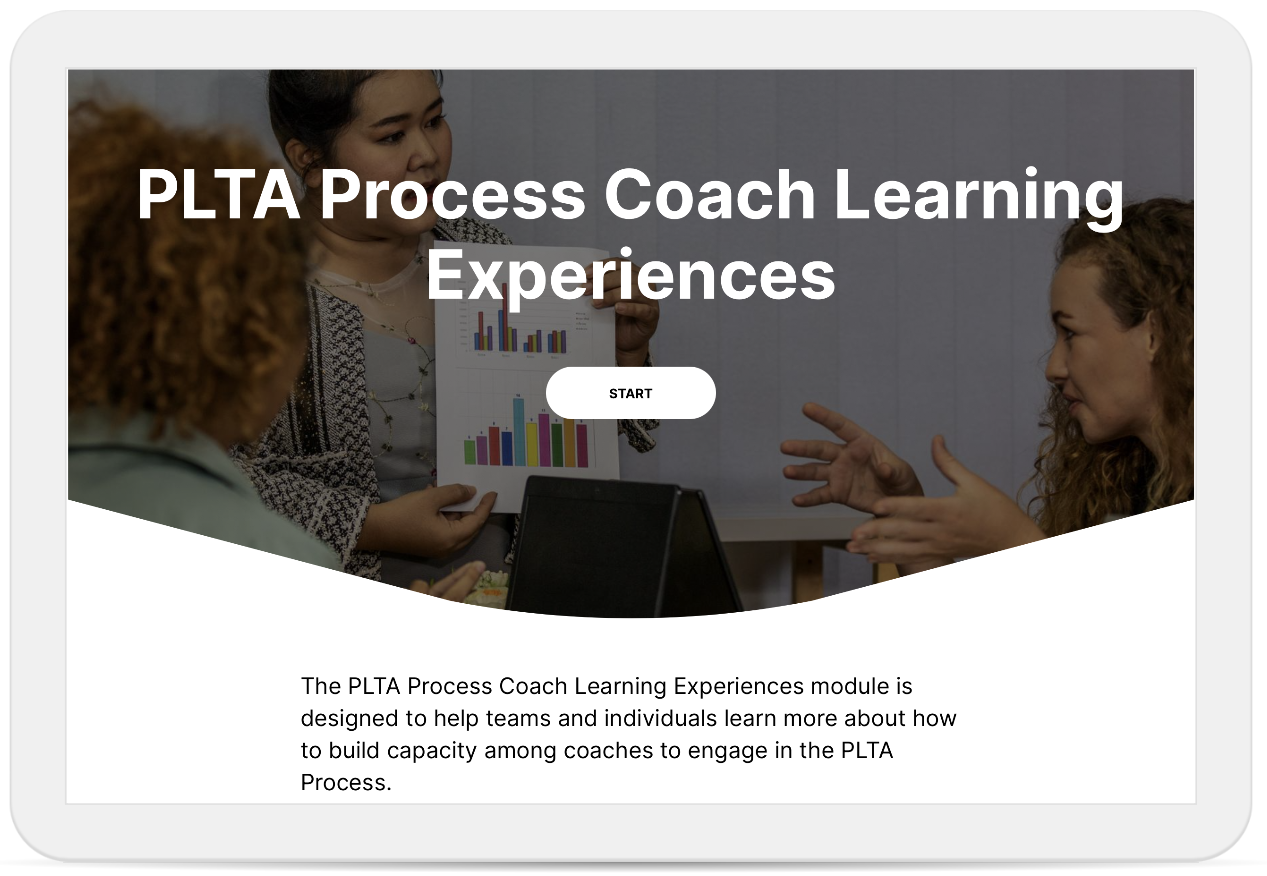
PLTA Process Coach Learning Experiences
The PLTA Process coach learning experiences help coaches examine Sources of Effort and Effect Data to make data-informed decisions about PBC and related professional learning experiences. These experiences are limited in number and focus on teaching specific data-literacy skills.
This module is designed for programs working toward goals aligned with the initial, mid, or advanced tiers of the PBC-DIDM Implementation Profile. Use this module to learn more about considerations for supporting your coach community as they engage in the PLTA Process.
What Coach Community resources are available?
For teams just getting started with PBC-DIDM, download the PBC-DIDM Guides below related to establishing and supporting the Coach Community.
To learn more about the knowledge, skills, and dispositions of PBC-DIDM coaches and lead coaches, download the PBC-DIDM Coach and Lead Coach Competencies.
Lead coaches support other coaches in their programs in implementing PBC coaching strategies with fidelity, as intended, through PBC Cycles. To learn more about this parallel coaching process – and a key source of coaching data check out the PBC Cycles page on this website.
Lead coaches can download the commonly used coach community meeting checklists and planning forms below.
Check out this 5-minute video to see Coach Learning Experiences in action!
What other resources are available?
The coach community plays a key role in all parts of the PBC-DIDM Model. To learn more about the model’s parts, see the PBC-DIDM model page on this website.
To learn more about how the lead coach serves as a liaison between the leadership team and the coach community, visit the Leadership Teams and Lead Coaches page on this website.